Gowanda, NY · Western New York
Gernatt Pest Solutions
Call Now (716) 605-5676

Pest Guide

Western New York Pest & Bee Guide

Here are 22 pests commonly found in and around Western New York homes, and 3 bees you’re likely to see. Health and property information comes only from the public-health agencies and university extension programs cited on each card and listed below. Photos are for illustration only. This guide is general information, not medical advice. If you think you’ve been exposed to disease, contact your healthcare provider.

Household pests

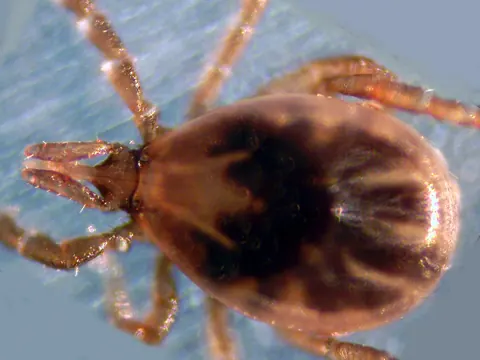
Close-up photo of a brown blacklegged (deer) tick on a pale blue background

Blacklegged (Deer) Tick

Ixodes scapularis

Ticks wait on grass and shrub tips (“questing”) and climb onto people and pets that brush past. Adults stay active into fall, when they are more likely to carry disease.

Health & property risks: In New York the blacklegged tick can spread Lyme disease, anaplasmosis, babesiosis and Powassan virus. Fever, aches and rash within weeks of a bite warrant a call to your doctor.

Sources: NYS Dept. of Health, CDC
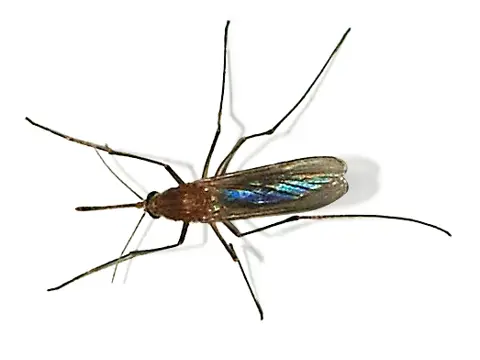
Northern house mosquito (Culex pipiens) resting on a surface

Culex mosquitoes: northern house mosquito

Culex pipiens

The main West Nile virus vector in New York. They breed in catch basins, clogged gutters, birdbaths, tires and other containers, bite mostly from dusk into the late evening, and overwinter as adults in sheltered spots like unheated basements.

Health & property risks: West Nile virus. Most infections cause no symptoms, but about 1 in 150 infected people develop severe neurologic illness; people over 50 face the highest risk.

Sources: NYS Dept. of Health, NYS Dept. of Health, Ohio State University Extension (Ohioline)

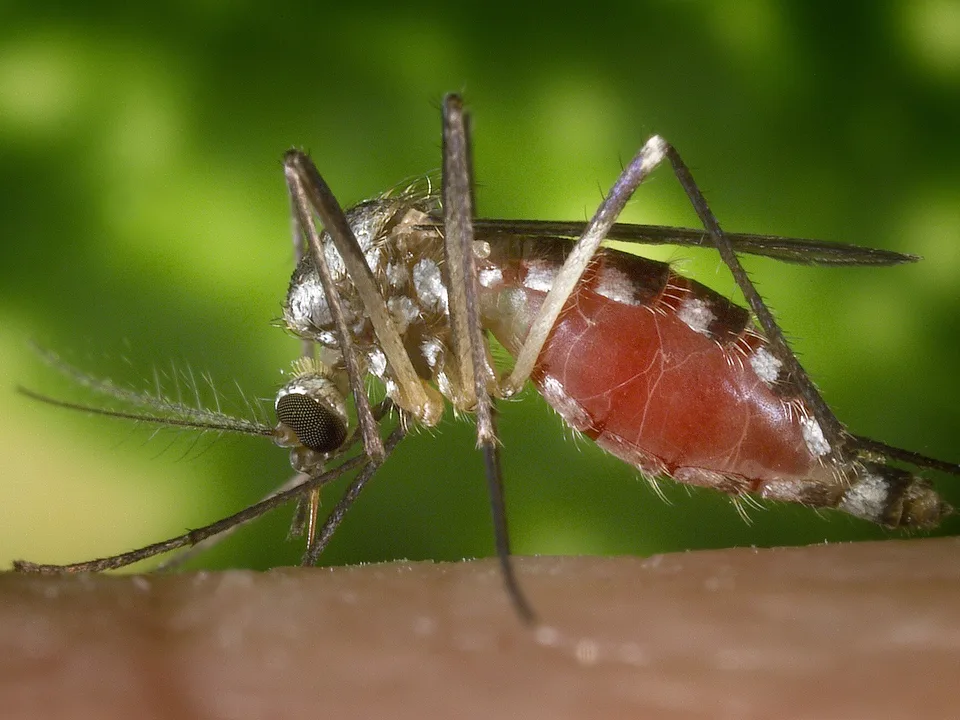
Eastern treehole mosquito (Aedes triseriatus) feeding on skin

Aedes mosquitoes: floodwater & treehole

Aedes vexans, Aedes triseriatus

Daytime and dusk biters. The floodwater mosquito (Ae. vexans) breeds in temporary rain and flood pools and is an aggressive human biter; the eastern treehole mosquito (Ae. triseriatus) breeds in water-filled tree holes, tires and buckets and bites during the day near woods.

Health & property risks: Ae. vexans is a suspected “bridge” vector of eastern equine encephalitis (EEE), though studies suggest its role is limited. Ae. triseriatus is the primary vector of La Crosse virus, which can cause encephalitis, most often in children under 16.

Sources: CDC, CDC, CDC Emerging Infectious Diseases, Wisconsin Dept. of Health Services, Minnesota Dept. of Health, Oklahoma State University Extension

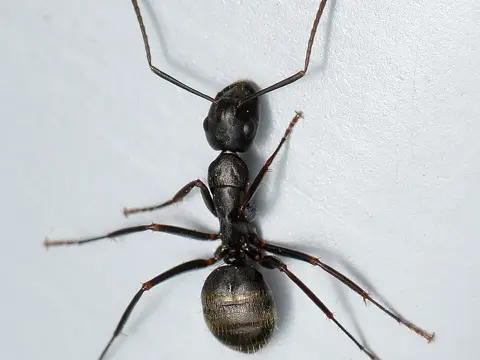
Black carpenter ant on wood

Carpenter Ants

Camponotus spp.

The most common ant pest in the Northeast. They don’t eat wood, but tunnel through moisture-damaged wood and leave sawdust-like piles.

Health & property risks: Property risk: structural damage to wet or rotting wood, and a sign of leaks or drainage problems. Not known for disease.

Sources: Cornell NYS IPM, Cornell NYS IPM

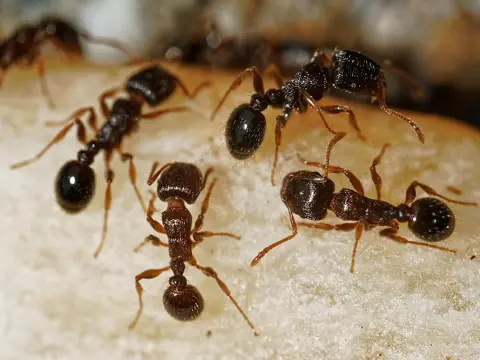
Pavement ants on the ground

Pavement Ants

Tetramorium immigrans

Dark brown ants about 1/8 inch long with grooved heads. They nest under stones, sidewalks and slabs and trail indoors for food.

Health & property risks: They have a stinger and can contaminate food. Nests under objects can undermine stone and concrete surfaces.

Sources: Cornell NYS IPM

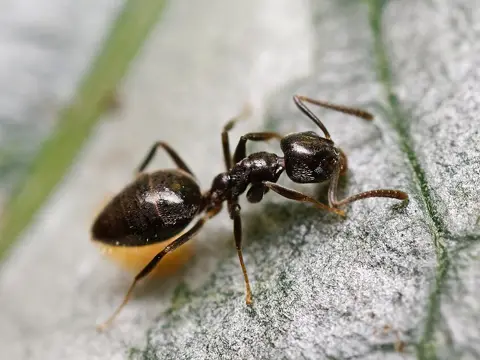
Odorous house ants feeding

Odorous House Ants

Tapinoma sessile

Small brown ants (2–3 mm) that give off a peculiar smell when crushed. They trail indoors to sweets, spills and crumbs.

Health & property risks: Mainly a nuisance and food contaminant; kitchen sanitation and sealing entry points are key.

Sources: Cornell NYS IPM

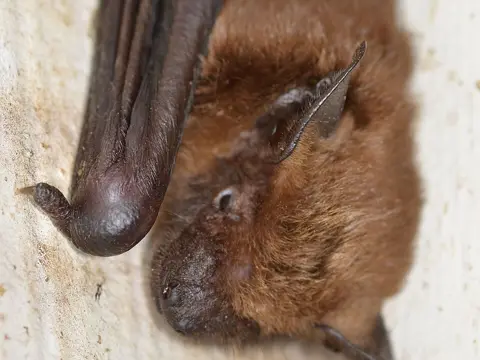
Big brown bat held in a gloved hand

Big Brown & Little Brown Bats

Eptesicus fuscus, Myotis lucifugus

Bats roost in attics, walls and chimneys. Bat bites can be tiny, so any direct contact with a bat should be reported to a healthcare provider or health department.

Health & property risks: Bats are the leading source of human rabies in the U.S. Their droppings can also carry Histoplasma, a fungus that causes the lung infection histoplasmosis.

Sources: CDC, CDC MMWR, CDC

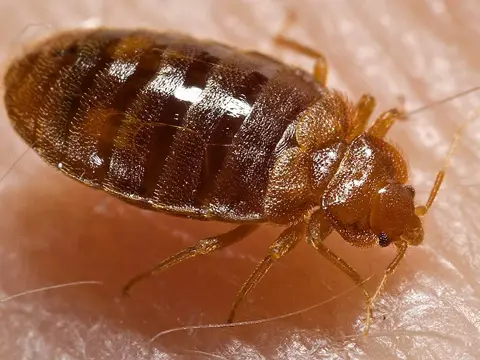
Bed bug on skin

Bed Bugs

Cimex lectularius

Flat, reddish-brown, wingless insects 1–7 mm long that feed on blood at night and hide in mattress seams, bed frames and cracks. They spread in luggage and furniture.

Health & property risks: Not known to spread disease, but bites cause itching and lost sleep, scratching can lead to skin infection, and allergic reactions are possible.

Sources: CDC

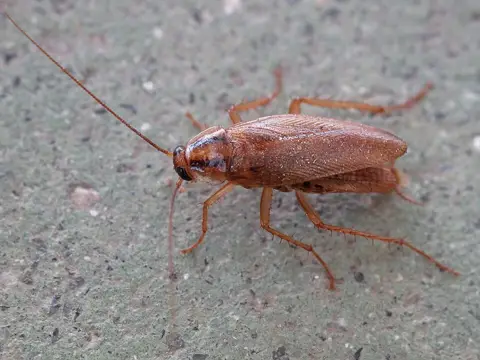
Cockroach on a floor

German Cockroaches

Blattella germanica

The most common indoor cockroach. They hide near kitchen and bathroom plumbing and reproduce faster than any other pest cockroach.

Health & property risks: Droppings, saliva and shed skins contain allergens that can trigger asthma, especially in children. They can also carry bacteria linked to food poisoning.

Sources: U.S. EPA, University of Minnesota Extension, NC State Extension

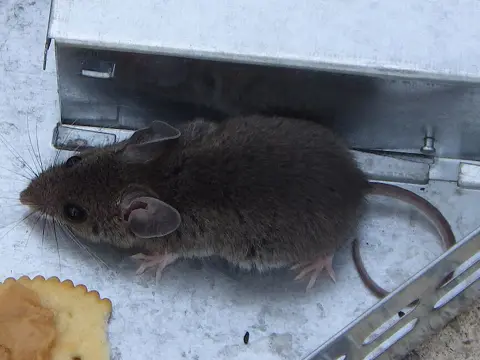
House mouse on the ground

House Mice

Mus musculus

Mice slip in through small gaps, especially as weather cools, and contaminate food and surfaces with urine and droppings.

Health & property risks: House mice are the main host of lymphocytic choriomeningitis virus (LCMV) and can spread salmonellosis. Rodents can also carry disease-spreading ticks, mites and fleas.

Sources: CDC, CDC

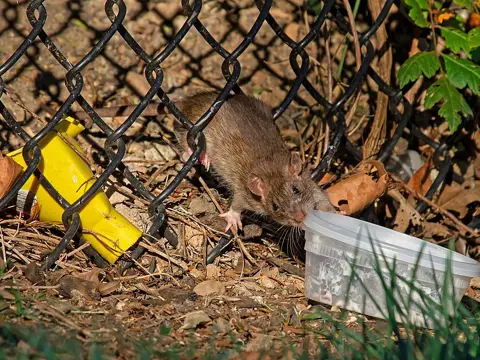
Norway rat next to a food container

Norway Rats

Rattus norvegicus

Large burrowing rats that live around foundations, sheds and garbage, and move indoors for food and shelter.

Health & property risks: Rats can spread leptospirosis, rat-bite fever, salmonellosis and Seoul hantavirus through urine, droppings, saliva or bites.

Sources: CDC, CDC

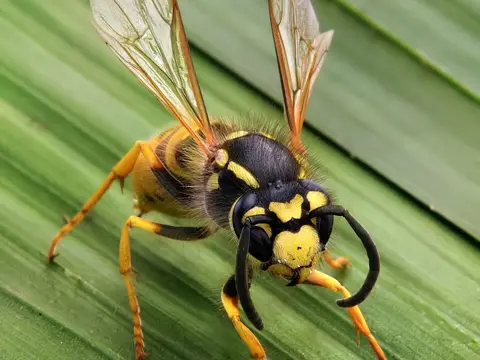
Yellow and black yellowjacket wasp

Yellowjackets

Vespula spp.

The most common stinging insect, nesting in the ground, wall voids and trees, with colonies of 5,000+ by late summer.

Health & property risks: Repeated stings; can be life-threatening for allergic people. Nests in walls can attract other pests.

Sources: Cornell IPM, Cornell IPM, Cornell eCommons

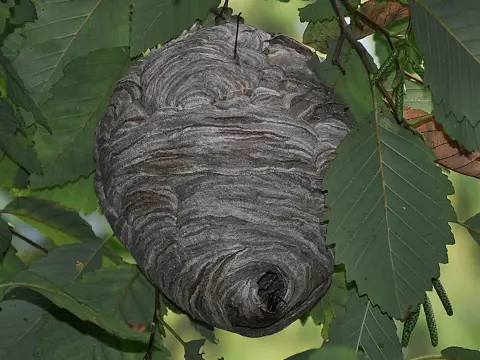
Large gray papery bald-faced hornet nest

Bald-faced Hornets

Dolichovespula maculata

Black-and-white yellowjackets that build large gray paper nests in trees, shrubs and eaves.

Health & property risks: Aggressive nest defense and repeated stings; dangerous for allergic people. Large nests need a professional.

Sources: Cornell IPM, Cornell IPM, Cornell NYS IPM

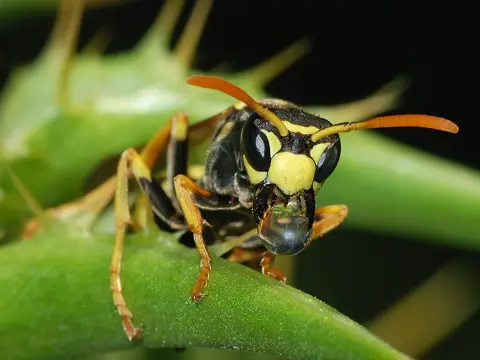
Paper wasp on its open comb nest

Paper Wasps

Polistes spp.

Build open, umbrella-shaped comb nests under eaves, railings and decks.

Health & property risks: Stings can be life-threatening for allergic people.

Sources: Cornell IPM, Cornell NYS IPM, CDC/NIOSH

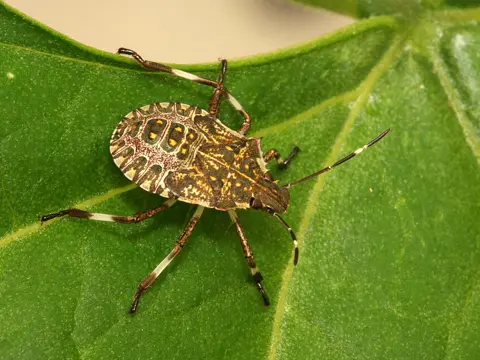
Brown marmorated stink bug nymph

Brown Marmorated Stink Bugs

Halyomorpha halys

An invasive bug that gathers on sunny walls in fall and slips into wall voids around windows, doors and outlets to overwinter.

Health & property risks: Mostly an annoyance indoors, but handling crushed stink bugs can cause contact dermatitis.

Sources: Cornell IPM

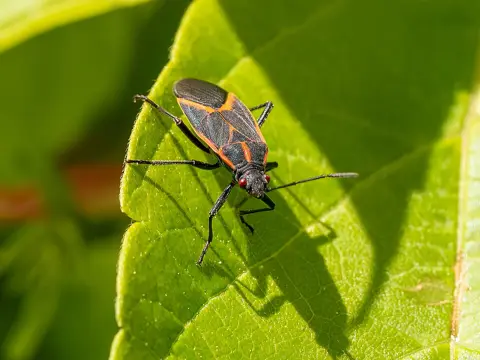
Black and red boxelder bug

Boxelder Bugs

Boisea trivittata

Black-and-red bugs that feed on boxelder and maple trees and cluster on houses in early fall.

Health & property risks: Not a health threat, but their excrement can spot fabrics and painted walls, and they smell when crushed.

Sources: Cornell IPM

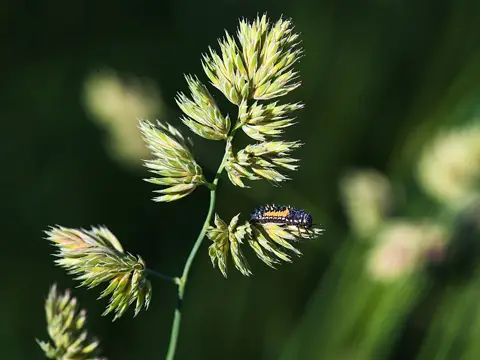
Orange multicolored Asian lady beetle

Multicolored Asian Lady Beetles

Harmonia axyridis

Helpful garden predators outdoors, but they swarm into buildings in fall. Look for the “M” or “W” mark behind the head.

Health & property risks: They can bite (without breaking skin) and their defensive fluid stains. Large numbers can trigger allergies, including asthma and hives, in sensitive people.

Sources: Cornell IPM, Ohio State CFAES

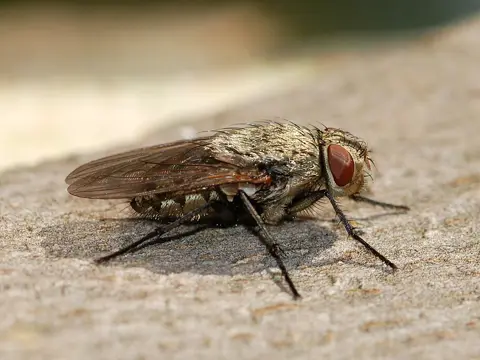
Cluster fly resting on a leaf

Cluster Flies

Pollenia spp.

House-fly look-alikes with golden hairs that overwinter in attics and wall voids and buzz at windows on warm days. Their larvae are parasites of earthworms.

Health & property risks: They don’t bite or breed indoors. Large numbers of dead flies can smell and attract carpet beetles.

Sources: Cornell IPM, Virginia Cooperative Extension

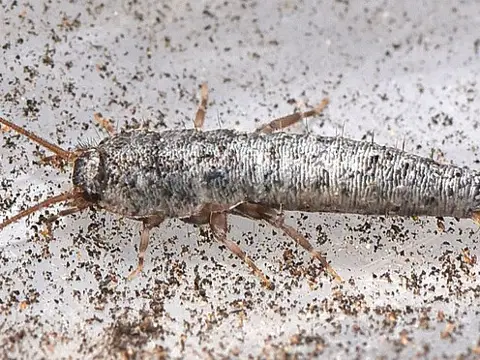
Silverfish on a textured surface

Silverfish

Lepisma saccharinum

Silver-gray, wingless insects up to 1/2 inch long that come out at night in damp areas.

Health & property risks: Property risk: they eat paper, book bindings, wallpaper paste, fabrics and starchy foods.

Sources: Cornell Cooperative Extension Nassau

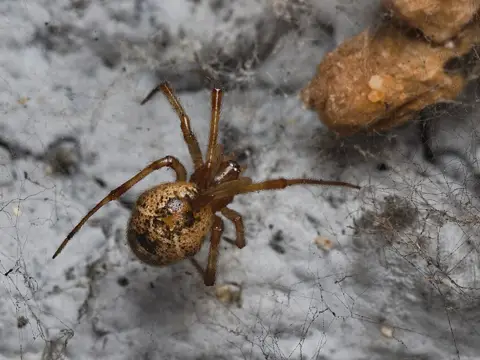
Common house spider

House Spiders

many species

Most spiders in New York homes are harmless and eat other pests. They move indoors in fall, especially into basements.

Health & property risks: The brown recluse does not occur in New York, and black widows are uncommon and stay in dark, damp spots. Any spider may bite if handled.

Sources: Cornell IPM, Cornell Cooperative Extension Nassau

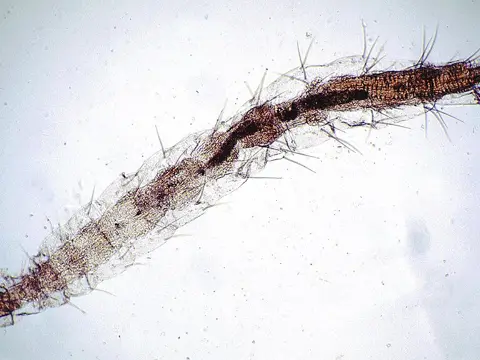
Flea larva, magnified

Fleas

Ctenocephalides spp.

Fleas usually arrive on pets or wildlife, and larvae develop in carpets, bedding and pet resting areas.

Health & property risks: Fleas can spread flea-borne typhus, cat scratch disease and tapeworms.

Sources: CDC, CDC

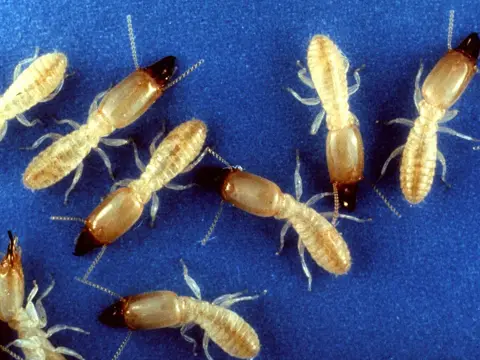
Eastern subterranean termite workers

Eastern Subterranean Termites

Reticulitermes flavipes

They live underground and build mud tubes up foundations to reach wood. Spring swarms of winged termites point to an established colony.

Health & property risks: Property risk: they feed on wood, especially wood touching soil or damp areas. Not known for disease.

Sources: Cornell IPM

Bees of Western New York

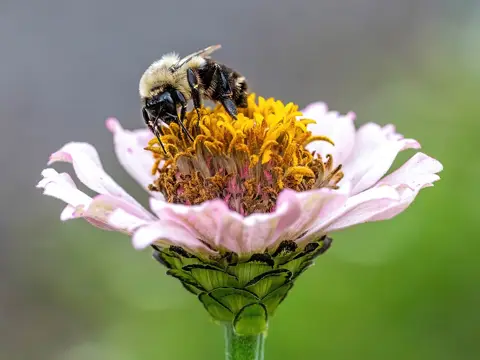
Most bees are valuable pollinators. Penn State Extension counts more than 400 wild bee species in neighboring Pennsylvania. Each card is marked Beneficial and/or Pest concern.

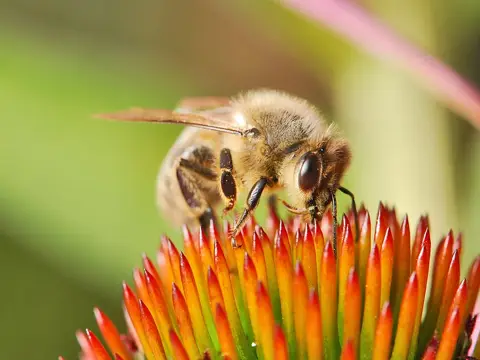
Honey bee on a flower
Beneficial Pest concern

Honey Bee

Apis mellifera

A managed, social pollinator that nests in large cavities. Call a beekeeper for swarms.

Health & property risks: Stings (serious for allergic people); colonies in walls leave honey and wax that attract pests.

Sources: Penn State Extension, Cornell IPM, CDC/NIOSH

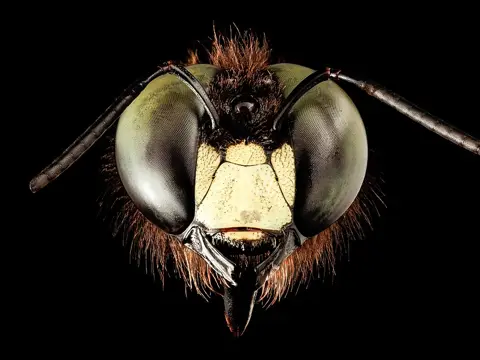
Face of a male eastern carpenter bee
Beneficial Pest concern

Carpenter Bee

Xylocopa virginica

Bumble bee look-alikes with a shiny black abdomen. Males can’t sting; females rarely do.

Health & property risks: Drill 1/2-inch holes in unpainted wood; damage builds when tunnels are reused.

Sources: Penn State Extension Master Gardeners, Cornell IPM

Get a free estimate

Sources

  1. NYS Dept. of Health — Lyme Disease and Other Diseases Carried by Ticks
  2. CDC — About Ticks and Tickborne Disease
  3. NYS Dept. of Health — 2025 Mosquito-Borne Viral Disease Surveillance & Response Plan
  4. NYS Dept. of Health — West Nile Virus Fact Sheet
  5. Ohio State University Extension (Ohioline) — Northern House Mosquito
  6. CDC — About La Crosse Virus
  7. CDC — Guidelines for Arbovirus Surveillance Programs in the United States
  8. CDC Emerging Infectious Diseases — EEE Virus in Mosquitoes and Their Role as Bridge Vectors (2010)
  9. Wisconsin Dept. of Health Services — La Crosse Encephalitis
  10. Minnesota Dept. of Health — La Crosse Encephalitis Fact Sheet
  11. Oklahoma State University Extension — Twelve Most-Important Oklahoma Mosquitoes
  12. Cornell NYS IPM — Don’t Let Carpenter Ants Renovate Your Home!
  13. Cornell NYS IPM — Ants
  14. CDC — Preventing Rabies from Bats
  15. CDC MMWR — Trends in Human Rabies Deaths and Exposures, 1938–2018
  16. CDC — About Histoplasmosis
  17. CDC — About Bed Bugs
  18. U.S. EPA — Asthma Triggers: Cockroaches and Pests
  19. University of Minnesota Extension — Cockroaches
  20. NC State Extension — German Cockroach
  21. CDC — Controlling Wild Rodent Infestations
  22. CDC — About Hantavirus
  23. Cornell IPM — Yellowjackets and Baldfaced Hornets
  24. Cornell IPM — Bees and Wasps
  25. Cornell eCommons — Stinging Insect Pest Management, Pilot IPM Project in NYS
  26. Cornell NYS IPM — Inspect for Wasps and Avoid the Sting
  27. CDC/NIOSH — Insects and Scorpions (stinging insects)
  28. Cornell IPM — Brown Marmorated Stink Bug
  29. Cornell IPM — Boxelder Bugs
  30. Cornell IPM — Multicolored Asian Lady Beetle
  31. Ohio State CFAES — Multicolored Asian Lady Beetle
  32. Cornell IPM — Non-biting Flies
  33. Virginia Cooperative Extension — Cluster Fly
  34. Cornell Cooperative Extension Nassau — Silverfish and Spiders
  35. Cornell IPM — Spiders
  36. CDC — About Fleas
  37. CDC — About Flea-borne Typhus
  38. Cornell IPM — Termites
  39. Penn State Extension — Bees in Pennsylvania: Diversity, Ecology, and Importance
  40. Penn State Center for Pollinator Research — Best Practices for Beekeepers
  41. Penn State Extension Master Gardeners — Carpenter Bees

Photo credits

Photos were resized and cropped. CC BY-SA images remain under their original licenses.